How a Fake Fish Slip Turned an Airport Gold Shipment Into a $20M Crime Story
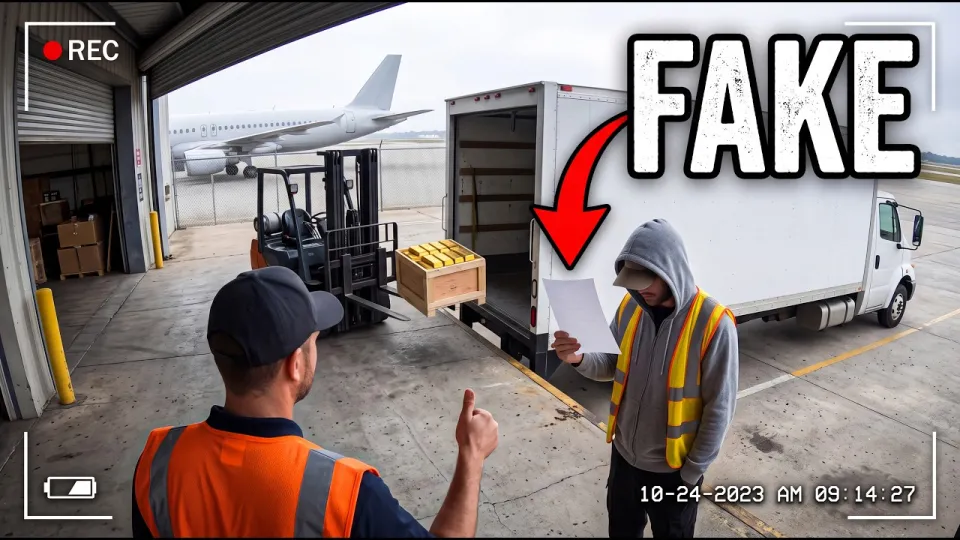
Video: Airport Has No Idea It Just Handed $20M in Gold to Thieves (crime story)
· based on the channel Max Crime
A crime story about the Toronto Pearson gold heist shows how a single forged document can outweigh armed guards: thieves walked out of an Air Canada cargo warehouse with 6,600 gold bars by presenting a fake slip for a shipment of fish. The trick worked because the facility processed freight on paperwork and routine, not on verification of what was actually inside the container.
What was inside the container that landed at Toronto Pearson
A commercial flight arriving from overseas unloaded a single metal container holding 6,600 gold bars, a shipment valued at roughly $20 million. Gold moves as ordinary air cargo, declared, weighed and locked, and that is exactly what makes it vulnerable: once the paperwork matches, the load looks like any other consignment. The bars were consolidated into one unit, which meant one successful pickup would take everything at once.
The shipment had arrived and was sitting in the airline's cargo facility awaiting onward handling. Nothing about the arrival itself was unusual, and that normality is the first ingredient of the crime story that followed.
How the fake fish slip bypassed the cargo desk
The core of the scheme was a document, not a weapon. Later that same evening a man drove a white truck to the Air Canada cargo warehouse and handed staff a pickup slip for a shipment of fish. The fish consignment had already been collected the day before, so the reference was stale, but it was plausible enough to pass a routine check.
Staff released the freight tied to the paperwork. The thieves loaded the gold container onto the truck and drove away, and the airport had no idea it had just handed $20 million in gold to thieves. The whole exchange looked like a courier doing his job.
Why paperwork alone was enough to release the load
Cargo terminals run on speed and volume, and verification is built around documents rather than around the goods themselves. Three gaps made the theft possible:
- Identity of the courier. A driver with a plausible slip and a truck is treated as a legitimate pickup, without biometric checks or prior registration.
- Cross-checking the reference. The fish waybill should have been flagged as already closed, but nothing in the workflow forced staff to reconcile it against the manifest.
- Physical inspection. The container was released without confirming that its contents matched the declaration, so gold left under the label of seafood.
Each gap is small on its own. Combined, they turn a warehouse into a place where a determined fraudster can collect almost anything.
How the theft was discovered and investigated
The loss surfaced when the real consignee came to claim the gold and no container could be found. That mismatch triggered a police investigation involving regional and federal agencies, and the case quickly became one of the most publicized cargo thefts in Canadian history.
Investigators worked backwards from the truck and the document: who printed the slip, who signed off on the release, which cameras captured the vehicle, and how the gold was moved after it left the airport. Cargo theft cases are slow because the paper trail is thin and the freight network is wide, but the scale of this one forced a hard look at how the terminal handled high-value shipments.
What the case changed in cargo security
The lesson of this crime story is that high-value freight needs checks that do not depend on a single sheet of paper. Operators have since pushed toward stricter release protocols for valuables, including verified pickup credentials, mandatory reconciliation of waybills against open manifests, and physical confirmation of contents before a container leaves the dock.
For anyone tracking true crime cases in logistics, the pattern is familiar: the weakest point is rarely the vault, it is the desk where a document is accepted at face value. The same logic applies to jewelry, cash and pharmaceutical cargo, all of which move through the same warehouses on the same kind of paperwork.
Why this gold heist still reads as a classic crime story
The Toronto Pearson case endures because it needs no dramatic staging: no alarms, no inside gunmen, no broken locks. A man, a truck and a forged slip were enough to move a fortune through one of the busiest airports in the country.
It also shows how much of modern theft is administrative. The thieves did not defeat security technology so much as they understood a process, and they exploited the assumption that a document presented at a counter has already been checked somewhere else.
The bottom line
The Toronto Pearson gold heist is a crime story about procedure, not force: 6,600 bars worth about $20 million left an Air Canada cargo warehouse on a forged fish slip and a white truck. The fraud succeeded because the terminal trusted paperwork over verification, and because one container held the entire shipment. The case pushed cargo operators to tighten release rules for valuables and remains a reference point for how ordinary logistics can be turned into a seven-figure theft. Max Crime breaks down the sequence of events and the procedural gaps behind it in the video above.
Key takeaways
- In April 2023 an Air Canada flight landed at Toronto Pearson with 6,600 gold bars in one metal container, worth roughly $20 million.
- Thieves used a fraudulent pickup document for a fish shipment that had already been collected the day before.
- A man backed a white truck to the airline's cargo warehouse and staff released the gold without a proper check.
- The heist exploited routine paperwork and cargo-handling gaps rather than armed force or a security breach.
- The case became one of the largest gold thefts in Canadian history and a staple of true crime coverage.
Source: Airport Has No Idea It Just Handed $20M in Gold to Thieves (crime story) · Markdown version
Questions & answers
How much gold was stolen at Toronto Pearson?
The shipment contained 6,600 gold bars, valued at roughly $20 million. It arrived on an Air Canada flight and was held in the airline's cargo warehouse before being released to thieves.
What document did the thieves use to collect the gold?
They presented a fraudulent pickup slip for a shipment of fish. That fish consignment had already been collected the day before, but the reference still passed a routine check at the cargo desk.
Was anyone hurt during the heist?
No. The theft relied on deception rather than force: a man drove a white truck to the warehouse, handed over the paperwork and left with the container once staff released it.
Why is this case covered as a crime story?
It shows how a single forged document and a routine release process can defeat security around high-value freight. The scale and simplicity of the theft made it one of the most notable cargo crimes in Canadian history.